Decide what problem you need to solve
Start with the result you want, rather than assuming new windows are the only way to improve the house. If the frames operate properly and the main problem is their appearance, respraying may address the issue without replacing the assembly. If your concerns involve leaks, movement, security or glazing performance, first establish what is causing them and whether repairs are practical.
Appearance and performance can overlap, but they are not interchangeable. A fresh finish can make tired frames look more cohesive with a renovation, yet it cannot change their section design or glass specification. Equally, replacement brings work beyond choosing a new colour. A useful decision separates cosmetic goals from functional requirements, then compares complete scopes that genuinely address those requirements.
When respraying deserves a closer look
Sound aluminium frames with dated colours, fading, chalky finishes or surface scratches are reasonable candidates for assessment. These symptoms can often be addressed through suitable cleaning, preparation and recoating, provided the underlying material and retained coating are sound. The condition of sheltered corners and exposed edges matters as much as the broad faces that appear in a room photograph.
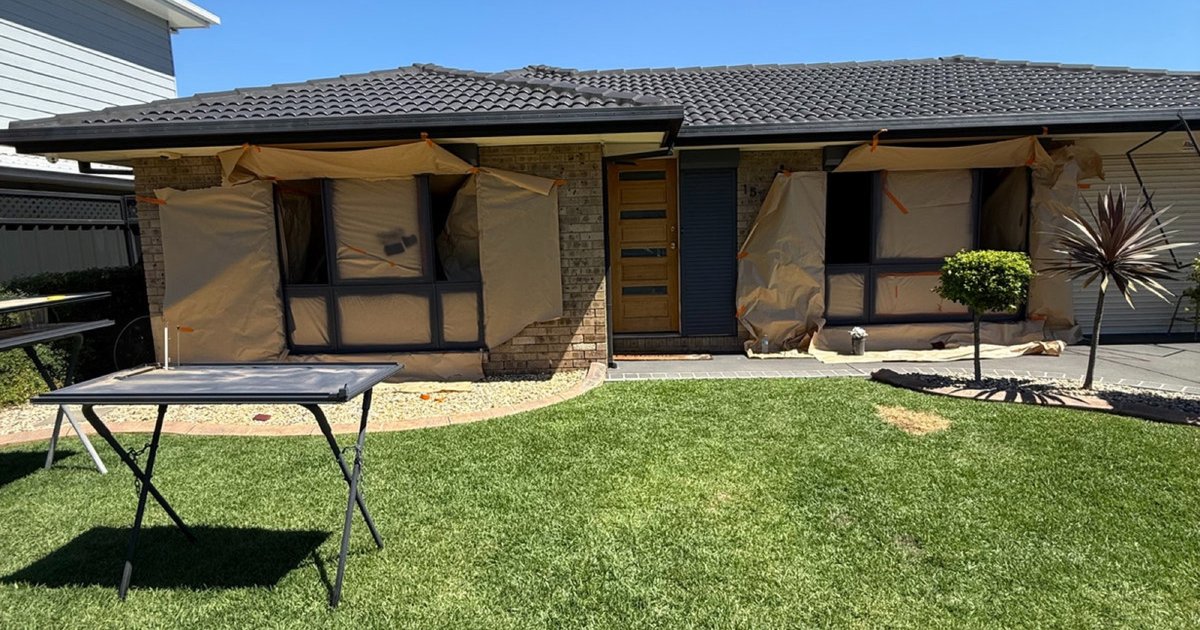
Respraying can also help coordinate windows with doors and nearby metalwork when the existing shapes still suit the building. It retains the installed assembly and generally avoids the disturbance associated with taking it out. However, heavily peeling coatings or corrosion may increase preparation or make recoating unsuitable. Ask the applicator what will be removed, what will remain and how suspect areas will be evaluated.
When repairs or replacement should come first
Cracked, distorted or structurally compromised frames need specialist assessment rather than cosmetic concealment. Problems with seals, hardware or glazing may be repairable, but nonrepairable defects can make replacement the sensible option. Persistent water entry needs its cause investigated, including surrounding building junctions. A coating contractor should not be expected to resolve building performance issues merely by covering the visible aluminium.
Replacement is also relevant when you want different glazing, improved thermal performance or a fundamentally different window configuration. A new system may offer features the existing frames cannot accommodate, subject to its specification and installation. If only a component needs repair, compare that repair plus recoating with replacement rather than discarding a serviceable assembly without investigation. Seek appropriate window or building advice where performance is uncertain.
Compare the complete scope
Use the comparison below as a starting point, not a promise about every property. Access constraints, coating condition and building requirements can change the balance. Ask each contractor to list assumptions and exclusions so you can see whether one proposal omits necessary work that another includes. A simple headline comparison is less useful than a clear account of what happens at your home.
| Consideration | Respray existing frames | Replace the window system |
|---|---|---|
| Cost scope | Preparation, protection, access and coating | New frames and glazing, removal, installation and making good |
| Time and sequencing | Depends on preparation, weather and coating cure | Includes product lead times and installation coordination |
| Mess and disruption | Masking, surface preparation and controlled spraying | Removal debris and possible disturbance to surrounding finishes |
| Approvals | Confirm colour and strata requirements | Check strata, building and other applicable requirements |
| Colour and finish | Refresh retained profiles with a suitable coating | Choose from the new system’s available finishes |
| Performance | Retains existing glazing and frame design | Can change glazing and frame performance when specified |
Understand disruption, access and lead times
Onsite respraying still needs a managed work area. Furniture, window coverings and nearby surfaces may need protection or temporary relocation. Ventilation, safe access and curing conditions affect room use, and exterior work depends on suitable weather. Ask how the team will stage the job around occupants and how windows will be handled while the finish is vulnerable to marking.
Replacement involves ordering the selected frames and glazing, allowing for product lead times, and coordinating removal and installation. The scope should explain protection of openings and making good any affected reveals, trims, render or paint. Confirm who is responsible for those finishes and whether further trades are needed. This helps avoid comparing a complete coating proposal with a replacement quote that leaves surrounding repairs to you.
Check approvals and coordinate the building
For strata properties, check ownership responsibilities and the approval process before commissioning either option. A window can be part of a shared building system even when it serves only your apartment. Changing the external colour or replacing a frame may require written agreement and supporting information. Do not assume a contractor’s willingness to quote means the committee or another authority has approved the work.
A building-wide approach can help maintain consistent colours and coordinate shared access, but it needs an agreed condition assessment and scope. Record which items are being recoated, repaired or replaced and how the finishes will relate. For standalone homes, relevant approvals and any heritage or other restrictions should still be checked. Requirements depend on the property and proposed work rather than the label attached to the project.
Make the decision with evidence
Photograph every opening, record operating faults and separate appearance concerns from performance complaints. Get repair advice where needed, then request a respray scope and a complete replacement scope for the affected windows. Include access, approvals, protection and finishing work in both discussions. If you want thermal upgrades, ask what the proposed glazing and frame system actually deliver rather than assuming a colour change will help.
Choose respraying when sound windows meet your needs and a properly prepared coating addresses the main problem. Choose repairs or replacement when condition or desired performance requires it. Some homes need a mixed approach, with damaged assemblies replaced and serviceable frames recoated to coordinate. Send photographs through the windows service, or use the strata service when shared ownership and building-wide decisions need to be considered.
Common questions
Will respraying improve insulation?
Respraying changes the coating, not the glazing or thermal design. If comfort is your priority, assess glass, seals, draughts and frame performance separately before deciding what work will address the problem.
Can scratched or chalky frames be resprayed?
Often, if the underlying frames are sound and suitable preparation can establish a stable base. Deep damage, corrosion or loose existing coatings need assessment before a coating scope can be confirmed.
Do leaking windows always need replacement?
Not necessarily. Leaks can involve seals, drainage or surrounding building junctions. Have the cause diagnosed first. Painting is not a substitute for repairs, and some faults may justify replacing the affected assembly.
Can strata choose a different frame colour?
Potentially, but the required approvals and building appearance requirements must be checked first. Obtain written agreement on colour and scope rather than relying on an individual owner’s preference or a verbal discussion.