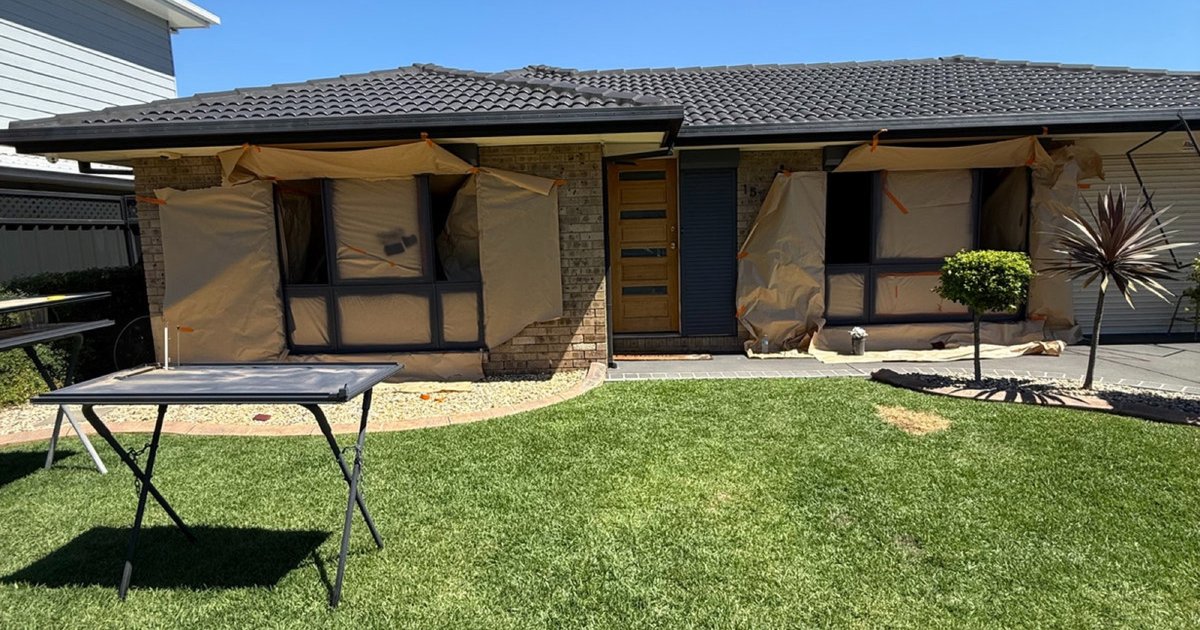
Start with the scope, not a price per window
A useful aluminium window respray quote starts with what is actually being coated. A small fixed window and a wide sliding assembly involve different amounts of preparation, masking and spraying. Counting openings helps, but the frame profiles, moving sections and surrounding finishes matter just as much. Ask for a written scope that makes these boundaries clear before comparing proposals.
Respraying is generally worth investigating when the frames work properly but their colour or surface finish lets the home down. It renews the coating rather than replacing the window system. A quote should identify problems that need another trade, such as damaged glass, failing seals or unreliable locks, so cosmetic work is not mistaken for a complete window refurbishment.
Frame numbers, sizes and doors
The number of frames influences the overall workload, while their size determines how much surface needs cleaning, abrasion and coating. Deep reveals, narrow glazing bars and intricate tracks can take more attention than broad, simple faces. Include fixed panes, opening sashes and any adjoining panels when describing the job. A clear room schedule is more useful than an approximate total alone.
Doors should be listed separately, particularly sliding doors, hinged patio doors and security doors. They may have larger profiles, more handling points and different masking needs around rollers, locks or mesh. Tell the contractor whether screens are staying, being removed or being replaced. Confirm which frame edges are included and which working surfaces must remain free of paint for reliable operation.
Access, storeys and the faces being painted
Ground-level access across a clear patio is different from working above a garden bed, beside a pool or from an upper-storey balcony. Storeys, sloping ground, restricted side passages and the need for access equipment all affect planning. Photos should show the surroundings, not just the aluminium. Safe working positions and suitable containment must be established before the coating work can proceed.
Specify whether you want internal faces, external faces or both. The visible edges when a sash opens can also change the scope. Internal work brings furniture protection, occupied-room arrangements and ventilation into the plan; external work introduces weather and neighbouring property considerations. Ask how the contractor will define the boundary between coated and uncoated surfaces, particularly where existing colours will remain visible.
Existing coating and preparation
Preparation is often the biggest difference between apparently similar jobs. Sound factory coating needs a different approach from peeling paint, chalky surfaces, corrosion or unknown previous repairs. Grease, salt and silicone contamination also need attention. Photographs help with an initial assessment, but the contractor may need to inspect adhesion and condition before confirming a firm scope or identifying exclusions.
The quote should explain cleaning, surface preparation, local repairs and the compatible primer system rather than simply promising a fresh topcoat. Ask whether damaged areas are included and what happens if further coating failure is uncovered. Painting over an unstable layer does not make it sound. Any repair to the actual frame or building junction should be distinguished from cosmetic coating preparation.
Colour, finish and coverage
Colour selection changes more than appearance. A strong contrast between the old and new finish can affect coverage, and the specified coating system determines the required film build. Metallic and pearl finishes may involve more careful application and sample approval than a straightforward solid colour. Extra coats, where required for coverage or the approved system, should be addressed in the scope rather than assumed away.
Agree on colour and sheen using an appropriate sample before work begins. Existing powder coat may have faded differently across sunny and sheltered elevations, so matching a single spot can be misleading. If a special finish is requested, ask how it will look across adjoining frames and whether application limitations affect the result. Clear approval avoids changes after masking and preparation are already underway.
Strata conditions and the replacement alternative
For strata properties, confirm who owns the frames and what written approval is required before booking. External colour changes can affect the building appearance even when the work is commissioned from inside a lot. Committee requirements, resident notices, shared access, protection of common areas and working-hour restrictions can influence the quote. Give prospective contractors the same building requirements so their proposals remain comparable.
If comparing replacement, include the entire job: new frames and glazing, removal and disposal, installation and making good affected finishes. Check approvals, building interfaces and product lead times as well. A respray does not deliver new glazing or a different frame design. Replacement may be justified for performance or condition, but comparing its supply-only figure with a complete onsite coating scope will not give a useful decision.
Prepare a quote request that avoids surprises
Provide a room-by-room list, the property location and a clear description of the intended colour change. Identify doors, access restrictions, storeys and the faces you want coated. Include close-ups of chips, corrosion, peeling and sealant, plus wider views showing each opening and its surroundings. Mention planned renovation work so the sequence can protect the new finish from later damage by other trades. Also identify items that are deliberately excluded, such as concealed faces, inaccessible edges and unrelated building repairs. Keeping these decisions in writing helps you compare proposals fairly and gives the contractor a practical checklist for inspection and handover.
Ask the contractor to confirm inclusions, exclusions, protection, preparation, coating system, access arrangements and handover care. Keep the same scope when seeking another proposal, and resolve provisional items before accepting. For a fast quote, send photos of every window and door, close-ups of any damage, and wide shots showing access, together with your preferred colour and whether the work is internal, external or both.
Common questions
Can I get a quote from photos?
Photos can support a fast initial quote when they show the full scope and access. Hidden coating problems or unusual site conditions may still require inspection before the scope is confirmed.
Does changing to a dark colour affect the quote?
It can, depending on the starting colour, selected finish and coverage needed. Ask about samples and any additional coating stages, and check the proposed colour is suitable for the existing window system.
Are glass and seals included?
Do not assume so. A coating quote should say how glass and seals are protected and whether any separate repairs are included. Respraying does not renew glazing or correct failed weather seals.
What should I send for the fastest response?
Send clear overall and close-up photos, a frame and door list, access details, your suburb and preferred colour. State which faces need coating and flag strata approval requirements or known damage.