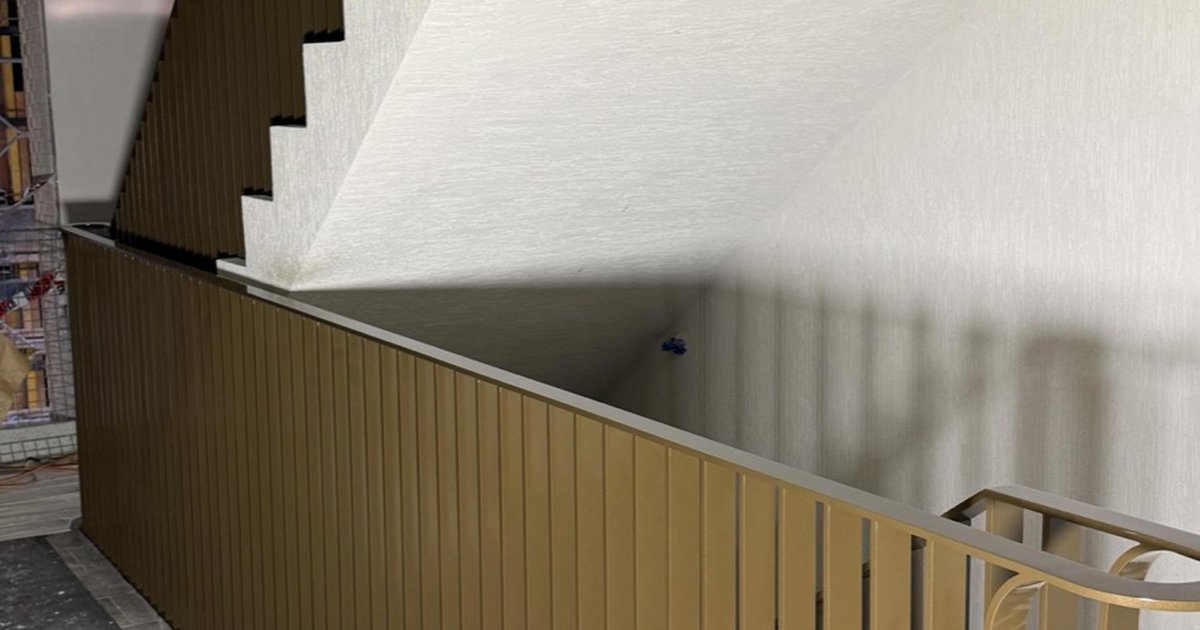
Start with the metalwork condition
A building respray needs more than a colour selection. Give the strata committee a clear condition assessment, comparable quotations, funding context and resident access plan so the decision can be documented and coordinated with the scheme’s capital works planning.
List the components under consideration: balcony balustrades, window frames, handrails, gates or other shared metalwork. Record their location, substrate where known, coating condition and access constraints. Distinguish fading and chalking from corrosion, loose fixings or damaged sections. Those findings help determine whether recoating is appropriate or another investigation must come first.
Confirm which components are common property and who has authority to arrange the work. Appearance alone does not establish ownership or responsibility. The strata manager should check the scheme’s records and relevant requirements before the committee assumes that every balcony or window component belongs in the same contract.
Photographs are useful for an initial discussion, but they cannot reliably show every hidden surface or connection. Arrange an appropriate site assessment before settling the scope. If there are signs of unsafe balustrades or structural deterioration, obtain suitable professional advice promptly rather than waiting for the decorative project to begin.
Place the work in the capital works plan
NSW strata schemes must prepare a 10-year capital works fund plan and review it at least every 5 years. The plan should connect the scheme’s expected common property expenditure with realistic funding decisions. A metalwork respray should be considered alongside the condition of the building and other planned repairs, not as an isolated colour exercise.
As at 2 November 2026, NSW Fair Trading’s Capital Works Fund Planner guidance says all new and updated 10-year capital works fund plans must use the standard form. The planner in Strata Hub helps prepare that form, and a Word version is also available. Check NSW Fair Trading and the current legislation before preparing or updating your scheme’s plan.
Ask your strata manager how the current standard-form requirement applies to your scheme and whether any transition or approval issues need attention. Keep the condition information, scope assumptions and quotation basis with the plan so future committees can understand what was allowed for and what still needs investigation. A completed form still needs realistic building-specific estimates and funding decisions.
Planned recoating may help organise expenditure, but it does not guarantee avoidance of a special levy. Available funds, other building needs and the approved scope all affect the funding decision. The committee should obtain appropriate financial and strata advice rather than presenting maintenance as a promise that additional contributions will never be needed.
Make quotations genuinely comparable
Issue the same written scope to each contractor. Identify included elevations and components, areas excluded, expected preparation and treatment of corrosion. State whether the work is a colour change or a matching exercise. Without a shared scope, an apparently simpler proposal may omit access, preparation or surfaces included by another contractor.
Ask each contractor to describe the coating system, substrate assumptions and how unsuitable existing coating will be handled. Include arrangements for an approved colour and gloss sample. Define the treatment of edges, backs of rails and inaccessible sections so the committee does not compare a visible-face respray with a more comprehensive application.
Access and resident protection should be explicit. Identify responsibility for access equipment, balcony clearance, masking, containment, weather interruptions and reinstatement. Ask how variations will be authorised if preparation reveals previously hidden deterioration. A clear variation process is more useful than an assurance that nothing unexpected will arise.
Prepare a decision-ready meeting pack
Provide the condition summary, photographs, comparable scope and contractor proposals with the relevant meeting material. Explain the reason for the work, the proposed finish, the funding approach and any unresolved technical questions. Make exclusions visible so owners do not approve a coating project believing it includes structural repairs or replacement components.
Include current insurance evidence and any licences required for the proposed work. Check that the contracting entity, quotation and supporting documents align. Request the written warranty document. The committee should understand coverage, exclusions, maintenance conditions and the process for reporting concerns before treating a warranty as a reason to select a proposal.
Ask the strata manager which approval pathway, notices and meeting requirements apply to the actual proposal. Maintenance, changes to appearance and changes affecting individual lots can raise different questions. Record the resolution and delegated authority accurately, including who can approve samples, access arrangements and variations. This guide does not determine the scheme’s legal approval requirements.
Plan resident communication and access
Notices should explain affected areas, the sequence of work and the actions residents need to take. Address balcony furniture, plants, pets, parking and access to doors or windows where relevant. Give residents a clear contact for practical questions and a process for raising access difficulties before the contractor reaches their area.
The contractor’s site method should address preparation, spraying, safe separation and the coating’s requirements before normal use resumes. Reduced overspray is not permission to leave adjacent property unprotected. Residents need clear instructions rather than broad assurances that the work will not affect daily life.
Coordinate the respray with related repairs, cleaning and access works where sensible. Avoid coating over areas that still need intrusive investigation or metal replacement. Confirm who inspects the preparation, approves the sample and accepts completion so the committee does not discover differing expectations after access equipment has been removed.
Keep the records useful after completion
At handover, retain the final scope, product information, approved finish details, variations and completion records. Note areas not treated and any defects referred for separate repair. Store the warranty, care instructions and contractor contact information where the strata manager and future committees can find them without relying on a departing member’s inbox.
Use product-specific maintenance advice to plan cleaning and inspections. Update the capital works records with the actual work completed and any remaining needs. A respray is one part of managing the asset; it does not certify structural safety, remove the need for maintenance or guarantee that corrosion cannot return.
Sources & further reading
Legal guidance checked on 2 November 2026. Check current legislation and NSW Fair Trading guidance for your circumstances.
Common questions
Does a planned respray prevent special levies?
No. A plan helps the scheme identify and prepare for expected expenditure, but funding still depends on available balances, other obligations and the approved work. Unexpected deterioration can also change the scope. Obtain appropriate advice before making commitments about how the project will be funded.
What should the committee compare between quotes?
Compare the same components, preparation, coating system, access, protection and exclusions. Check how corrosion and variations are handled, and whether the proposals include sample approval and handover documents. A shorter scope should not be treated as equivalent merely because both proposals say respray.
What changes for capital works plans in 2026?
NSW Fair Trading’s current guidance says all new and updated 10-year plans must be prepared in the standard form. The Capital Works Fund Planner in Strata Hub and the downloadable Word form are available options. Check NSW Fair Trading and current legislation with your strata manager before preparing or updating your plan.
Can residents use balconies while work proceeds?
Only as permitted by the project’s access and safety arrangements. Preparation, spraying and the coating’s readiness for use can each require restrictions. Notices should explain those restrictions and any changes, while the contractor and strata manager coordinate safe access and resident enquiries.