How is an aluminium item assessed?
Aluminium appears in window frames, doors, balcony framing and pool fences that can be assessed for respraying. These items can have different finishes and exposure despite sharing a substrate. Identify whether the surface is bare metal, anodised, powder coated or previously painted. The current condition is more useful than a general statement that aluminium can be coated.
Look at corners, fixing points and damaged edges as well as broad faces. Chalking, loose coating and corrosion require assessment before a new finish is selected. Include photographs that show the installed item and access around it. A sound, accessible frame is a different proposition from a damaged or obstructed assembly made from the same metal.
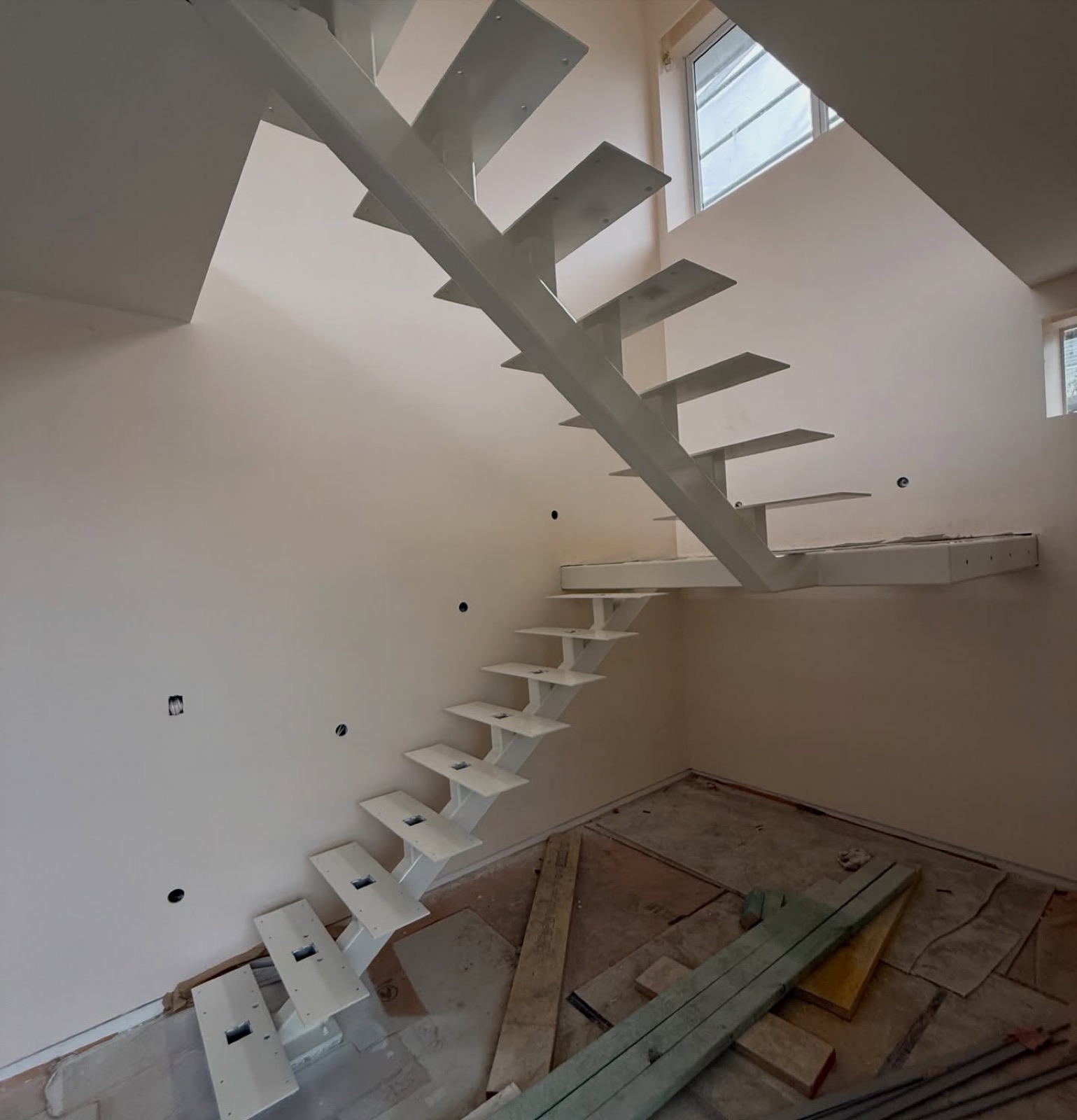
What matters for steel stairs, gates and fabrication?
Steel metalwork can include staircases, gates, balustrades and other fabrication offered for onsite coating. Assess welds, fixings and areas where the existing coating has failed. Colour choice should come after the condition is understood. Painting cannot replace missing metal or correct a structural defect simply because the item is within a listed service.
New fabrication and previously coated work have different histories. Tell the crew what you know about the base and any earlier painting. Where damage raises a structural concern, arrange an appropriate assessment rather than treating it as a cosmetic blemish. The coating scope should distinguish preparation from repairs outside the painting work.
Why do galvanised and stainless surfaces need their own assessment?
Galvanised steel and stainless steel should not be treated as interchangeable with ordinary steel. Their surfaces and existing condition affect preparation and coating compatibility. These materials can be considered for coating, but that is not a blanket promise that any item can be sprayed without investigation. Identify the actual substrate wherever possible.
A stainless handrail, for example, has touch points, edges and fixings to consider as well as appearance. For galvanised work, describe whether an existing paint layer is present and where it has failed. Ask for advice based on the item rather than transferring a preparation method from a different metal because both look silver.
Can existing powder coating or anodising be recoated?
Previously finished surfaces can be considered, but the base needs assessment. A new liquid coating is not the same process as applying factory powder coating or anodising. The existing finish must be understood, including whether it is sound enough for the intended preparation. A colour match does not establish that the surfaces behave identically.
Look for peeling, chalking, scratches and previous repairs. Provide any available coating information and identify areas where another product was added. Do not assume a fresh layer will stabilise material that is coming away underneath. Ask which preparation and coating scope is suitable before making an appearance decision for the entire item.
Which installed items fall within the existing services?
Electrocoat resprays windows, balustrades, stairs, handrails, gates, fences, roller doors, balconies, awnings, security doors and steel fabrication. These categories describe the kind of metalwork to enquire about. They do not replace an assessment of access, condition and components. A window contains glass and seals as well as metal, for example.
Name the item and selected surfaces rather than asking to coat an entire mixed assembly. Functional parts, flexible seals and surrounding materials need their own protection or exclusion decisions. If an object is not among the offered services, do not infer suitability merely from its metal content. Describe it and ask before arranging work.
What does the process information actually tell you?
Electrocoat describes cleaning, keying or preparation, masking, epoxy etch primer and two colour coats in its onsite electrostatic process. Those stages explain the broad approach, not a guarantee for an unassessed substrate. The item’s existing condition and the surfaces that can be reached still determine what can reasonably be included.
Use the enquiry to share the metal type, finish history and clear photographs. Mention areas used for gripping, movement or fixing so their purpose is not lost in a decorative scope. Ask which repairs need attention separately. A suitable coating plan connects the process to the actual item rather than treating all metals as equivalent.
Common questions
Does a metal name alone confirm suitability?
No. Existing finish, damage, access and the item’s function all need assessment before a coating scope can be confirmed.
Is stainless steel prepared like ordinary steel?
Do not assume so. Identify the substrate and seek advice for that surface rather than transferring a method from another metal.
Does respraying create new powder coating?
No. Onsite electrostatic respraying uses liquid coating. Existing powder coated surfaces may be assessed for recoating, but the processes are different.
Can every component of a window be coated?
No. The selected metal faces form the coating scope. Glass, seals, hardware and other parts need protection or specific exclusion decisions.