Identify the metal before choosing the coating system
Stainless steel and galvanised steel can be coated, but they are not interchangeable substrates. Successful work starts with identifying the metal, assessing contamination and surface condition, and selecting compatible preparation, primer and topcoats. A suitable etch primer may form part of the specified system; no single primer should be assumed to suit every metal or condition.
A shiny surface is not enough information to specify preparation. Stainless steel and galvanised steel protect themselves in different ways and present different adhesion challenges. Existing paint, fabrication residues and weathering can obscure the surface beneath. Confirm what is being coated rather than choosing a primer from appearance alone.
Stainless steel has a passive surface that needs suitable preparation for a coating to adhere. Galvanised steel carries a zinc coating whose condition matters to the proposed treatment. Preparation that is appropriate for one substrate should not automatically be transferred to the other.
- Confirm the substrate and any existing coating.
- Record whether the work is new fabrication, weathered metal or previously painted metal.
- Identify contamination and corrosion products before selecting treatment.
- Check the proposed coating manufacturer's substrate requirements.
- Resolve uncertain or mixed surfaces before the full application begins.
Remove contamination before preparing for adhesion
Coatings need a sound, clean foundation. Oils, grease, polishing residues, salts and site dirt can interfere with adhesion even when the metal looks tidy. Cleaning should address the actual contaminants present, using a method compatible with the metal and the coating manufacturer's instructions.
Do not assume abrasion will solve contamination. Working over an oily surface can spread residues rather than remove them. The preparation sequence should separate cleaning from surface conditioning, with checks between stages so contamination is not carried into the primer or colour coats.
Coastal exposure deserves specific attention because salt can be present without an obvious heavy deposit. Handrails also collect handling residues. Explain the location and use of the metalwork to the assessor, including whether it is exposed to sea air, frequent touching, cleaning products or nearby construction activity.
Stainless steel: prepare for a reliable bond
Stainless steel should be assessed for its finish, contamination and existing surface condition. A smooth or polished surface may require controlled mechanical preparation to create the surface condition specified for the chosen coating. The method should suit the component, its accessibility and the intended finish.
Preparation tools and abrasives must be suitable for stainless steel. Avoid introducing contamination from equipment previously used on other metals. Where an installed handrail meets glass, stone or finished joinery, the preparation plan must also protect those adjoining materials from damage and debris.
A primer cannot compensate for residues left beneath it or an unsuitable surface profile. Ask how cleaning, preparation and primer selection work together. If the substrate or existing finish is uncertain, a representative trial area and appropriate adhesion assessment can help establish the proposed system before wider coating.
Galvanised steel: assess the zinc, not just the steel
Galvanised steel requires attention to the condition of its zinc coating. Newly galvanised, weathered and previously painted surfaces can present different preparation needs. Surface treatments, deposits and corrosion products should be identified rather than covered with a primer selected only because its label mentions metal.
Preparation should provide a suitable base for coating without unnecessarily removing the protective zinc. Aggressive treatment intended for another substrate may damage that layer. Where zinc is degraded or underlying steel is exposed, the specification needs to address those local conditions rather than treating every area identically.
| Surface | Questions before priming |
|---|---|
| Stainless steel | Is it clean, suitably conditioned and free from introduced contamination? |
| Galvanised steel | What is the zinc condition, and are treatments or corrosion products present? |
| Previously coated metal | Is the existing coating sound and compatible with the proposed system? |
| Mixed or repaired areas | Does each exposed substrate need a different preparation or primer treatment? |
Specify a compatible primer, not a universal shortcut
A compatible etch primer may be specified where appropriate for the substrate and complete coating system. The word etch does not make every product suitable for stainless steel, galvanising or an existing painted finish. Check the product's intended substrates and preparation instructions before it is selected.
Compatibility also includes the coats applied above the primer. Follow the relevant product instructions for application, recoating and conditions. Do not assume an etch primer and an epoxy primer can be layered together, or substituted for each other, without confirmation for the particular system.
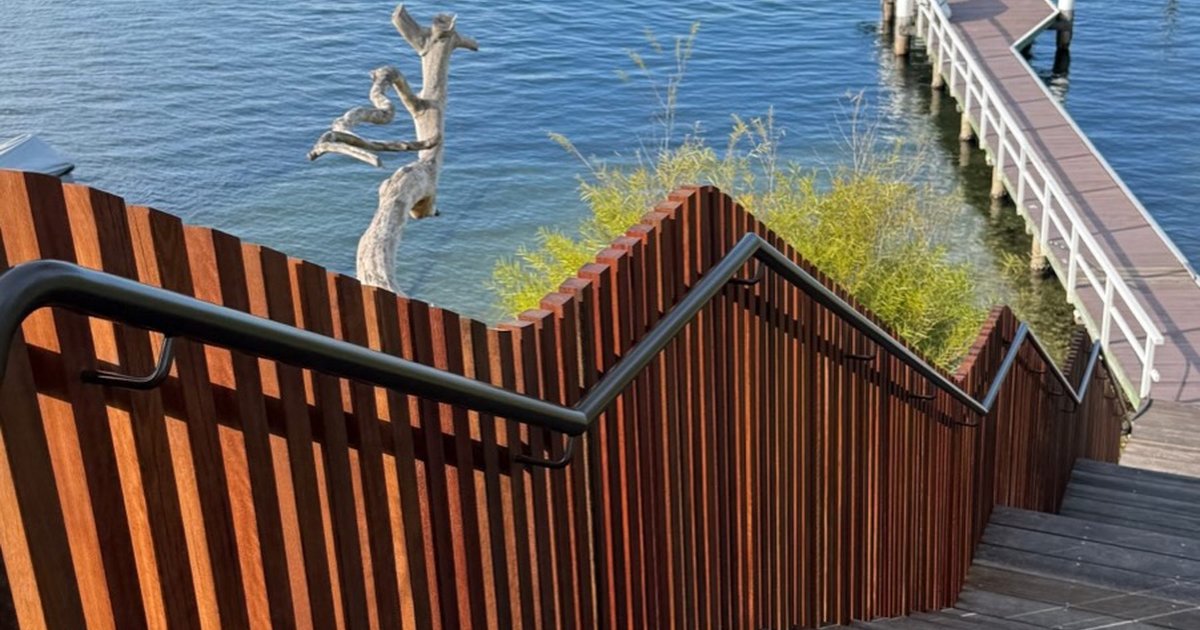
A coastal stainless handrail in Electro Dark Bronze
A real coastal stainless handrail was coated in Electro Dark Bronze, with preparation suited to adhesion on stainless steel. The example shows that stainless can receive a coloured finish; it is not a reason to skip assessment of another handrail's surface, exposure or existing coating.
For comparable work, confirm the preparation and coating system first, then approve the appearance separately. Arrange access restrictions while coating and drying take place, and obtain the coating team's guidance before the handrail is returned to use. Visual dryness alone is not a reliable handover instruction.
Document the agreed preparation and primer choice before application. This gives the site team a shared instruction and makes any proposed substitution visible. If conditions change after cleaning exposes the substrate, revisit that instruction rather than continuing with a system selected for a different surface condition.
Common questions
Can stainless steel be painted successfully?
Yes, provided its condition is assessed and suitable cleaning, preparation and a compatible coating system are used. The coastal stainless handrail finished in Electro Dark Bronze is an example. The process should be specified for stainless rather than copied from ordinary steel preparation.
Does every etch primer suit galvanised steel?
No. Check the particular product's substrate guidance and compatibility with the proposed finish coats. The zinc condition and any existing treatments also matter. A generic instruction to use etch primer is not a complete specification for galvanised metal.
Should stainless and galvanised steel receive identical preparation?
No. Stainless presents a passive surface requiring suitable conditioning, while galvanised steel has a zinc coating whose condition must be assessed and preserved where sound. Cleaning, mechanical treatment and primer choice need to respond to those differences and the selected coating system.
How is adhesion checked before a larger respray?
Where appropriate, the team can prepare a representative trial area and assess adhesion using a method suitable for the proposed system. The test location, coating condition and interpretation should be agreed by the coating specialist. A visual colour check alone does not establish adhesion.