Define exactly what the new finish must match
Matching an existing powder coated finish involves more than selecting a similar colour name. Builders need an agreed reference for colour, gloss and metallic appearance, followed by representative samples and clear approval. An onsite liquid coating can be matched to existing finishes without treating a factory powder coating specification as a complete visual brief.
Start by identifying the actual surface that will remain beside the repair or respray. A drawing note, schedule or original colour code is useful background, but the installed finish is the visual reference when the brief is to blend with existing work. Establish which reference takes priority before samples are prepared.
The same elevation may include protected and exposed areas that no longer look identical. Cleaning can also change the appearance of a surface carrying grime or residue. Select a representative, appropriately cleaned reference and record its location so everyone reviews samples against the same area.
- Identify the element and exact face to be matched.
- Provide the original colour and gloss specification if available.
- State whether the target is the current installed appearance or a supplied control sample.
- Confirm which adjoining finishes must remain untouched.
- Nominate the person authorised to approve the sample.
Colour, gloss and metallic effect need separate attention
A colour match can still look wrong if its gloss differs from the surrounding finish. Reflections reveal that difference, particularly across adjoining trims or broad flat faces. Request the exact colour and intended gloss together, and avoid signing off on one while leaving the other open to interpretation.
Metallic finishes add another variable. Their appearance can shift with lighting and viewing angle, so a sample that looks convincing head on may separate visually when viewed along a corridor or across a doorway. The sample should represent the proposed application, not simply a convenient colour chip.
| Variable | Practical check |
|---|---|
| Colour | Compare against the agreed physical reference rather than a screen image. |
| Gloss | Look at reflected light on the sample and adjoining finish. |
| Metallic appearance | Inspect from more than one viewing angle and distance. |
| Light | Review under the relevant daylight and installed artificial lighting. |
| Surface condition | Confirm that contamination or weathering is not distorting the reference. |
There is an important process distinction: onsite matching uses a suitable liquid coating system rather than recreating a factory powder coating line at the building. The aim is an agreed visual result with a coating system suitable for the substrate and exposure, not an assumption that different processes are identical.
Move from sample to representative test patch
Begin with samples that make the differences easy to see. Present them together beside the reference, with their colour and gloss details recorded. If a metallic mix is being adjusted, keep revisions identifiable so an earlier sample cannot accidentally become the instruction for the final application.
A test patch can help establish how the proposed coating reads on the actual element. Agree on its position, preparation and size with the coating team. A patch tucked into a dark recess may be discreet, but it may not represent the most visible face of the work.
Review the patch at the stage recommended for that coating. An early wet appearance is not the final approval reference. Ask when it is ready for meaningful colour and gloss assessment, and allow the coating team to account for the actual product and site conditions.
A real example: custom metallic door trims in Mosman
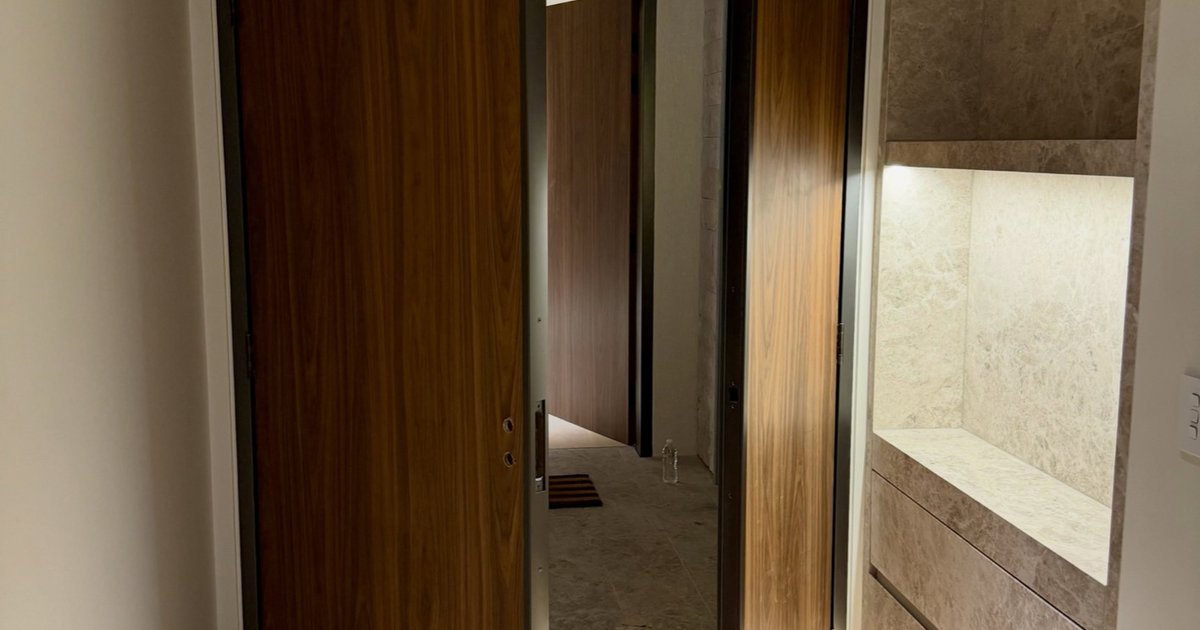
In Mosman, door trims were matched onsite to existing finishes using a custom metallic mix, without removing the trims. This is a useful example of the matching brief: work with the installed elements and surrounding finishes rather than assuming a standard colour selection will resolve the relationship.
The practical lesson is to describe the outcome precisely. For a comparable brief, identify the existing finish to match, state that the trims are to remain installed, and arrange sample approval before the broader application. The matching and access requirements should both be visible in the scope.
Make approval usable by everyone on site
A verbal instruction such as make it closer leaves too much room for disagreement. Record the approved sample identifier, reference location, gloss and areas included. If several parties are reviewing the work, resolve their comments before application rather than asking the applicator to reconcile conflicting directions during spraying.
- Keep the approved physical sample available for comparison.
- Record who approved it and which elements the approval covers.
- Confirm whether the scope is a local repair or a complete visible face.
- Agree on protection of adjoining finishes and access arrangements.
- Use the same reference when reviewing the completed work.
Local repairs can be more visually demanding than recoating an entire defined element. Discuss likely transitions before work starts. Where an invisible blend cannot be responsibly promised, agree on an appropriate coating boundary and sample process instead of relying on an unqualified guarantee of a perfect match.
Keep matching instructions connected to the current construction sequence. If adjoining finishes are still being installed or changed, confirm that the reference will remain valid. Otherwise, an approved sample may answer an earlier brief rather than the combination of finishes that will actually be visible at handover.
Common questions
Is the original powder coat colour code enough?
It is a useful starting point, but it does not settle the installed appearance on its own. Confirm the exact gloss and compare a physical sample with the agreed reference. Exposure, surface condition and metallic effects can influence what the existing finish looks like now.
Why should metallic samples be checked from different angles?
Metallic appearance depends on how light meets the surface and how the surface is viewed. Check the sample head on and obliquely, in the lighting relevant to the finished installation. A single photograph or viewing position may hide a noticeable difference.
Can installed door trims be matched without removal?
Yes. The Mosman door trims were matched onsite to existing finishes in a custom metallic mix without removal. For another installation, the team still needs to assess access, substrate condition, protection requirements and the proposed matching reference before confirming the scope.
Who should approve a colour matching test patch?
Nominate an authorised decision maker before samples are prepared, and coordinate any consultant or owner review through that process. Record the chosen reference, colour, gloss and scope. Clear approval prevents different people giving incompatible instructions once the application is underway.