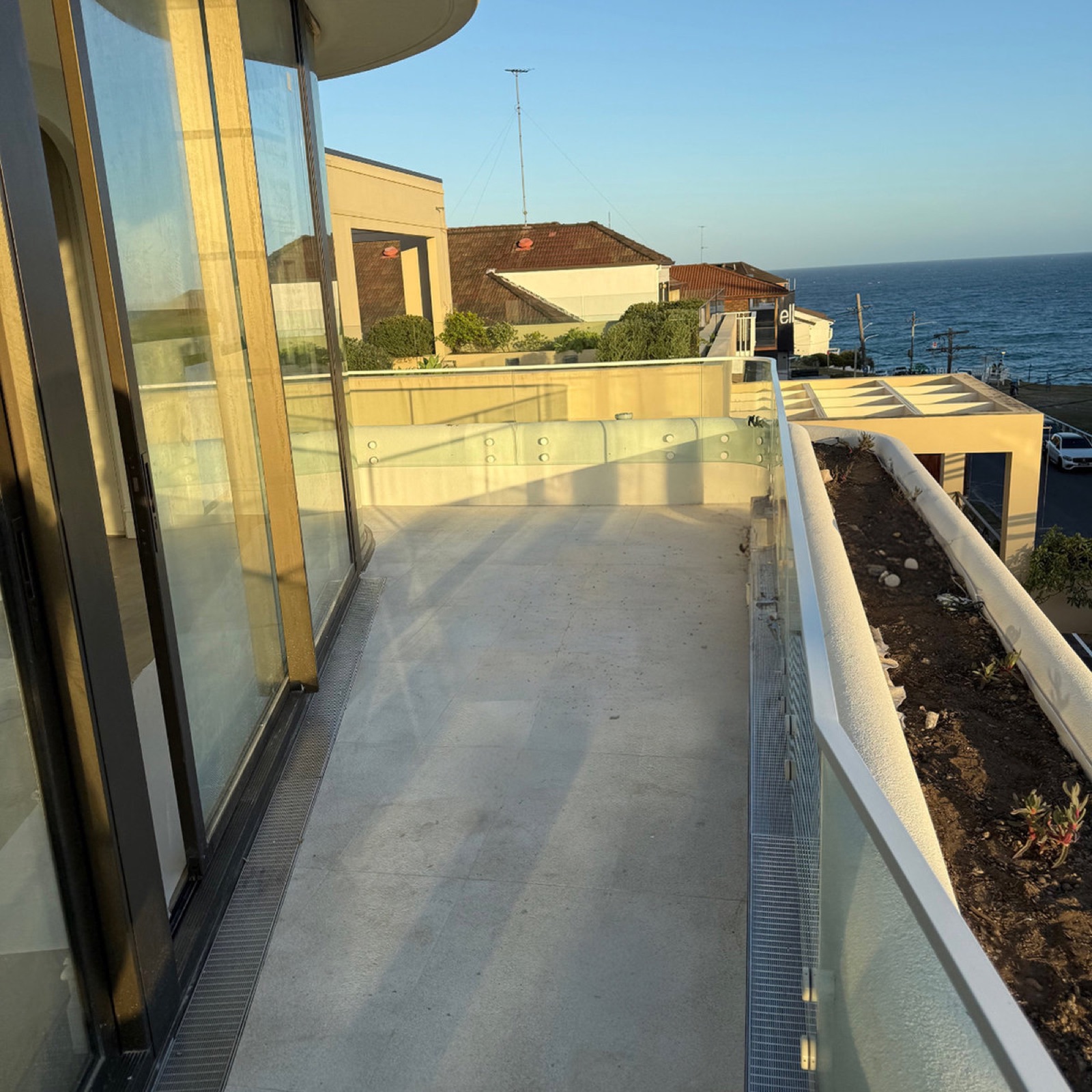
How should you choose window frame colours for coastal homes?
Start with the house and exposure, rather than choosing a shade from a screen. Coastal light can be bright and reflective, while salt carried in the air can settle on frames and make upkeep part of the colour decision. Compare a physical sample beside the roof, walls, glazing and other metalwork.
A pale frame may sit quietly against light render, while a dark frame can define openings and create contrast. Neither is automatically better near the coast. Orientation, shade, nearby vegetation and the amount of glazing change how colour reads. View samples in morning and afternoon light and from inside as well as outside.
Does a light or dark frame show coastal salt more?
Salt residue can be visible on any colour, but the contrast varies with the residue, finish and lighting. Neither light nor dark frames remove the need for sensible cleaning.
A dark surface may make pale salt deposits conspicuous. On a light surface, dirt or darker marks may stand out instead. Wind direction, exposure and rain shelter influence what accumulates. Think about how often the frames are easy to reach and whether they sit beneath eaves or face open coastal weather. Choose for the whole facade, not a promise that one colour hides salt.
How do glare and heat affect colour choice?
Glare depends on the sun angle, surrounding surfaces and finish sheen, not colour alone. Darker frames may absorb more solar energy than lighter ones, so consider exposure and the window system as well as appearance.
Large areas of glazing, reflective paving and pale walls can make a bright elevation feel intense. A frame sample viewed in shade will not tell the whole story. Check it in direct light and consider whether the finish creates distracting reflections. Ask the window supplier about any thermal or operational constraints for the specific assembly.
Are metallic finishes a good choice near the coast?
Metallic finishes can add depth, but assess the actual sample in coastal light and confirm the coating system is suitable for the substrate and exposure.
A metallic appearance can shift as the viewing angle changes. Nearby stainless steel, balcony rails and door hardware may have different tones even when names sound similar. Do not assume a visual match guarantees equivalent corrosion protection. Surface preparation, existing condition and the specified coating system remain important. A coastal assessment should also identify corrosion or failed coating before colour is selected.
Which colours should I compare?
Compare several directions against the fixed materials on your home, then judge full-size samples in place. Monument, Surfmist, Woodland Grey and Dune are useful descriptive colour references, not guarantees of an exact match.
A warm neutral may work with sandstone or brick, while a crisp light colour can relate to pale render. Charcoal can make glazing read as a stronger outline. Colour names alone do not show sheen, texture or how sunlight changes the appearance. Try colours in our colour studio on the homepage, then ask for a physical sample before making a whole-home choice.
What maintenance should coastal frames get?
Rinse and clean frames using the window maker’s care guidance and a suitable gentle method. Regular inspection helps you notice deposits, damaged coating and early corrosion.
Avoid assuming that rain alone removes salt. Pay attention to sheltered corners, tracks and lower frame edges where residue can remain. Do not use abrasive pads or unapproved chemicals, which may damage the finish or seals. If a coating is already flaking or corrosion is visible, identify the cause before repainting. A colour change does not correct a substrate problem.
How should the work be planned?
Plan the work around access to every opening and the people who use the rooms. Clear window sills, move furnishings away from the work area and discuss pets, security and ventilation with the crew before the visit. Confirm which windows, doors and screens are included. A clear scope prevents assumptions about adjacent frames or hardware.
Agree on the order of work and any access restrictions before the crew arrives. These steps help protect household routines and reduce contact with newly coated areas.
What should homeowners confirm before approving?
Confirm the colour, finish, preparation scope and the areas included before work begins. Ask how existing seals, glass, handles and drainage paths will be protected.
Photographs and an onsite assessment help identify damage, previous paint, corrosion or difficult access. Discuss any windows that do not open correctly before coating starts. If an original supplier warranty may apply, review its terms and obtain any approvals needed. Keep the final written scope and the crew’s care instructions with your home records.
Common questions
Should coastal frames be light or dark?
Either can work. Compare the facade, sample appearance in strong light, visible deposits and your willingness to clean the frames.
Can metallic colours be used near salt air?
They may be considered, but suitability depends on the substrate, preparation and coating system. A metallic appearance alone is not a corrosion specification.
Can you match Monument or Surfmist?
We can match to a sample or the published colour. Confirm the sample, sheen and coating system before work.
How often should coastal frames be cleaned?
Follow the window maker’s maintenance instructions. Exposure and shelter affect how often salt and grime need attention.
Will a darker colour make a room hotter?
Frame colour is only one factor. Ask the window supplier about the specific frame and glazing system, especially for highly exposed elevations.