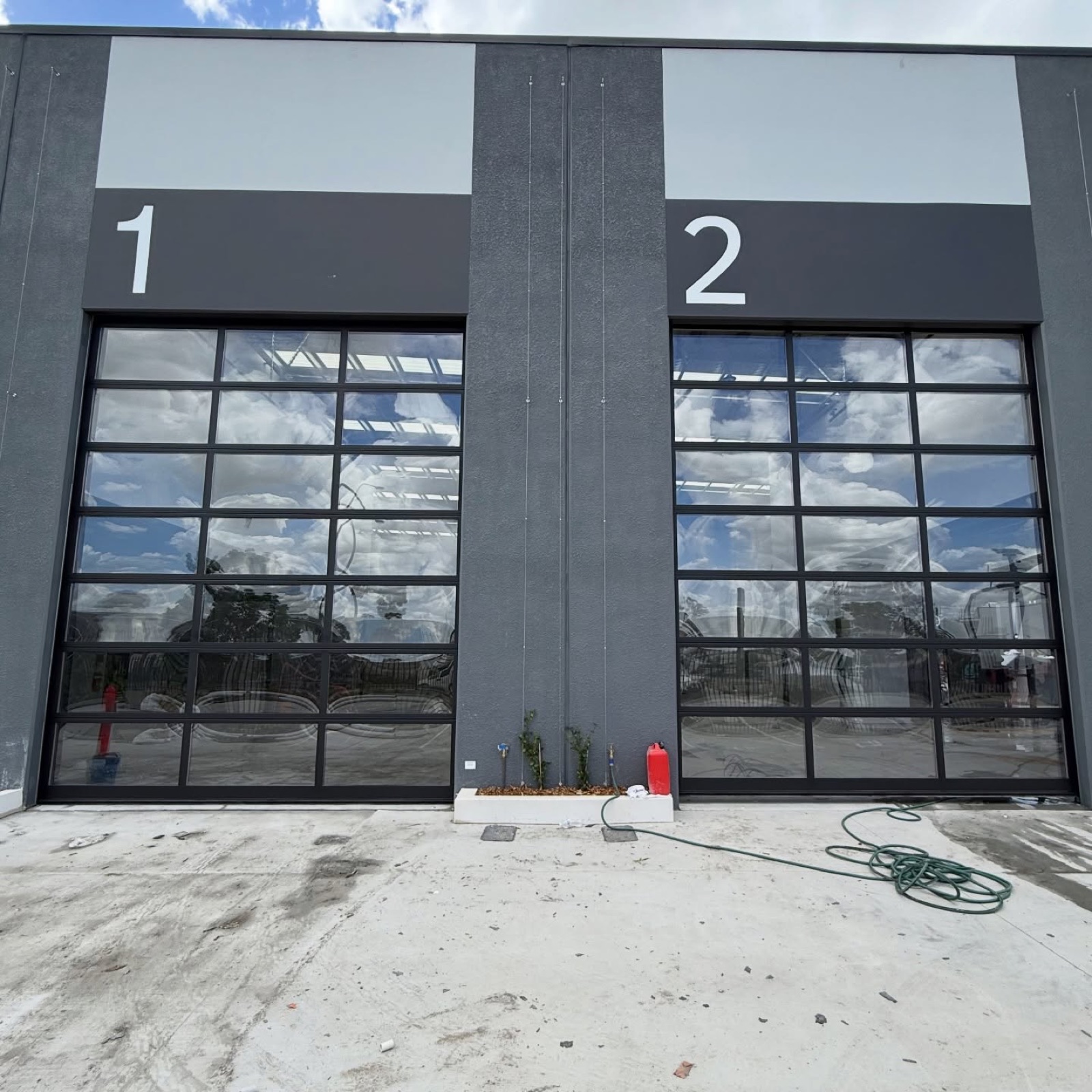
What should be sound before a colour change?
The door needs to be assessed as an operating assembly, not just a broad surface. Note dents, corrosion, loose parts and any difficulty opening or closing. A new finish cannot make a distorted panel straight or resolve a mechanism fault. Describe these issues before asking about colours so repair and coating are not confused.
If the door needs mechanical attention, seek an appropriate door specialist and coordinate that work with the proposed finish. Do not paint over a problem in the hope that it becomes less noticeable. The coating scope should identify a suitable metal base and explain what remains a separate repair responsibility.
How do panel and sectional doors differ?
A panel door presents its own edges, profiles and contact points, while a sectional door has joints between the sections. Inspect both the closed appearance and the surfaces exposed during movement. A decision based only on the broad front face may overlook the places where adjacent components meet or where an original colour remains visible.
Photograph the door in useful positions without attempting unsafe access. Show edges, existing damage and nearby walls as well as the whole opening. Confirm whether the proposed work includes only the outward face or other accessible metal surfaces. Each assembly needs its own assessment rather than an assumption based on a different door style.
What needs attention on a roller door?
A roller door changes position as its curtain moves, so accessible surfaces and contact areas need clear consideration. The curtain profile is not the same as a flat detached panel. The existing finish and metal condition matter along the shape of the door. Ask which surfaces can be prepared and coated appropriately in the installed setting.
A residential door and an industrial door can differ in construction and operating demands. Provide photographs of your own door and its surroundings rather than inferring suitability from another example. Tracks, locks and operating components need separate scope decisions. A visual colour change should not be allowed to interfere with the function of those parts.
Which moving parts should be kept out of the coating scope?
Identify tracks, hinges, rollers, locks and other operating components with the person assessing the door. They should not be grouped automatically with the decorative metal faces. Tell the crew about a powered opener or any access arrangements that affect safe separation of the work area. Operating faults should be recorded before painting is considered.
Do not dismantle or adjust the mechanism just to create a painting surface. Door components can require specialist handling. Agree on any necessary repair or access work before the coating visit. The final scope should make the included faces and excluded functional parts understandable to both the owner and the crew.
How is the existing finish assessed?
Look for fading, chalking, scratches and areas where coating has come away from the metal. The severity and cause of these defects influence what preparation is suitable. New colour applied over an unsound base is not a substitute for addressing that base. Previous coatings should be identified where possible rather than judged from their shade alone.
Cleaning, preparation, masking, epoxy etch primer and two colour coats form Electrocoat’s onsite process. Suitability still depends on the actual item. Ask how the proposed scope relates to the condition of your door, including damaged edges. Do not expect a smooth colour sample to describe how an uneven door surface will look afterwards.
How should access and colour selection be planned?
Consider the garage entrance, vehicles, stored items and adjacent pedestrian routes. The work area needs protection and separation from normal movement while the door is prepared and coated. Confirm how access will be managed rather than assuming the opening remains usable throughout. Mention shared driveways or entries if other people rely on the same space.
Compare a physical finish sample with the facade, trim and nearby gates. Sheen and panel shape affect reflections, so a colour name alone does not describe the final appearance. Ask for handling and operating instructions at handback. Follow advice for the actual coating rather than deciding readiness by whether the door looks dry from a distance.
Common questions
Is a dented door ready to respray?
The damage needs assessment first. Coating does not straighten a panel, so confirm any repair requirements before choosing a finish.
Are tracks painted with the door face?
Not automatically. Functional components need individual decisions about exclusion and protection in the agreed scope.
Can roller and sectional doors use the same scope?
No assumption should be made. Their profiles, joints, access and operating parts differ and need assessment for the actual door.
Should I service the opener before coating?
Raise any operating problem early and ask an appropriate door specialist. Coordinate mechanical work with the coating plan rather than expecting paint to fix it.