Can you paint over powder coat?
Yes, you can paint over powder coat if the existing finish is assessed and the surface is correctly cleaned, prepared and coated with a compatible system. Simply applying ordinary paint over a glossy or contaminated finish is not reliable.
The outcome depends on the powder coat’s condition, substrate, exposure and proposed coating system. Sound powder coat may be a suitable base after appropriate preparation and adhesion checks. Loose, chalking, corroded or poorly bonded areas need to be addressed rather than sealed under new paint.
A professional should identify the existing surface and agree on preparation, primer and topcoat before work starts. This is particularly important on aluminium frames and building components, where seals, glass, drainage and adjoining finishes also need protection.
Why does DIY paint over powder coat peel?
Powder coat can be smooth and relatively non-absorbent. Paint may not grip it adequately without the specified surface preparation. Grease, cleaning residue, silicone, salt and chalking can also interfere with adhesion. Painting over a failing area does not make the underlying coating stable.
Using a general-purpose primer without checking compatibility is another risk. Primer selection should match the substrate, existing finish and paint system. Product instructions matter: do not assume that one primer or preparation method suits every powder coated surface.
What should you check before painting?
Check whether the finish is intact, clean and firmly attached. Look for peeling, blistering, cracks, corrosion, chalking and repairs from previous work. A simple gentle wipe can reveal loose soil, but it does not replace an adhesion assessment where the coating’s condition is uncertain.
Identify the material and existing finish where possible. Aluminium, steel, anodised surfaces and previously painted repairs may need different preparation. Confirm the coating manufacturer’s instructions for both the existing surface and the proposed new system. If supplier warranty terms apply, ask about the effect of overcoating before proceeding.
Consider the work environment too. Exterior exposure, coastal conditions, access and masking requirements can influence product selection and preparation. Protect glass, seals, moving parts, drainage openings and nearby surfaces from abrasion, dust and overspray.
Where work affects a home or occupied building, plan around access and protection as well as coating choice. Residents or users should know which areas will be isolated and what needs to remain untouched. Clear scope and preparation records help ensure that the finished work can be maintained appropriately.
How should powder coat be prepared for repainting?
Preparation normally starts with cleaning to remove dirt, salt, grease and other contaminants, followed by the surface preparation specified for the coating system. Any failed coating and corrosion must be dealt with appropriately. The aim is a clean, sound base that can accept the specified primer and finish.
Preparation methods should be controlled. Abrasion may be needed to create a suitable surface, but excessive abrasion can damage profiles, expose substrate or affect neighbouring components. A trial area and adhesion testing can help confirm the proposed approach. Use the coating supplier’s instructions rather than guessing based on appearance.
After preparation, keep the surface clean and apply compatible primer and topcoat according to product directions. Do not let dust, fingerprints or silicone contaminate the prepared area. Edges, joints and detailed profiles need consistent treatment, not just a quick scuff on the most visible face.
Where work affects a home or occupied building, plan around access and protection as well as coating choice. Residents or users should know which areas will be isolated and what needs to remain untouched. Clear scope and preparation records help ensure that the finished work can be maintained appropriately.
When is professional coating work worthwhile?
Professional assessment is worthwhile when the item is large, elevated, exposed or part of a building where finish consistency matters. It is also useful when the existing coating is failing, the substrate is uncertain, or glass, seals and occupied areas need careful protection.
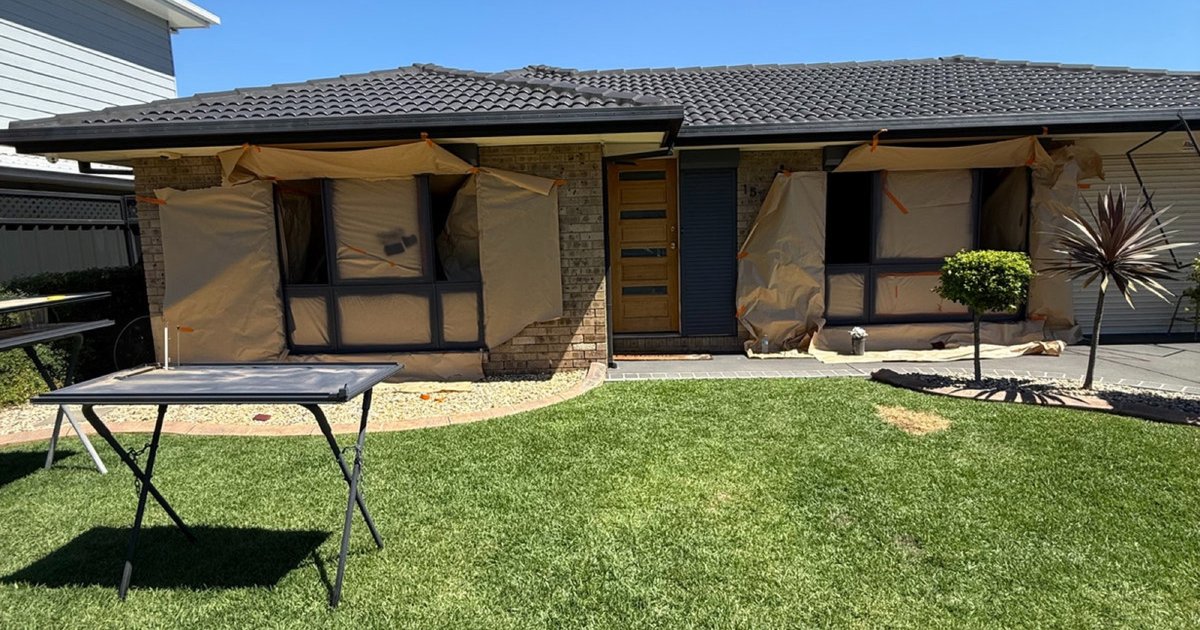
An onsite coating contractor can assess access, surface condition, colour and preparation needs before recommending a scope. For multiple windows, doors or balustrades, planning the sequence can reduce disruption and help keep the finish consistent across connected items.
A quote should make clear which surfaces are included, what repairs are proposed and how the area will be protected. Confirm the coating system and written terms rather than assuming that every existing finish or component is covered in the same way.
Where work affects a home or occupied building, plan around access and protection as well as coating choice. Residents or users should know which areas will be isolated and what needs to remain untouched. Clear scope and preparation records help ensure that the finished work can be maintained appropriately.
Common questions
Will paint stick to glossy powder coat?
Not reliably without correct preparation. Glossy powder coat may need cleaning, controlled abrasion and a compatible primer, as specified for the coating system.
Can I use any primer on powder coat?
No. Primer choice depends on the substrate, existing finish and proposed topcoat. Confirm compatibility from the product instructions or a coating professional.
Do I need to remove all the powder coat?
Not always. Sound, well-bonded coating may be retained if the proposed system permits it. Loose or deteriorated areas need assessment and appropriate treatment.
Can I paint over peeling powder coat?
Painting over loose coating is unlikely to provide a reliable base. The affected finish and any underlying corrosion need to be addressed before recoating.
Can powder coated aluminium be repainted onsite?
Often, yes, depending on access, condition and protection requirements. The proposed preparation and system should be checked for the specific item and setting.